

Modular Medical Clinics – Budgeting Guidance
The best way to start your research is to:
📞 Call Us 888-608-1173
A live person will answer your call—no phone trees, no runaround.
➡️ Get real answers immediately
➡️ Speak directly with someone who understands your project
Give us the who, what, where, and when, and we’ll respond quickly.
➡️ No wondering if your message disappeared into a black hole
➡️ Clear, timely responses from our team
➡️ Guidance tailored to your project
For initial budgeting, please feel free to use the Rough Order of Magnitude (ROM) figures provided below, along with the scope of work outlined at the bottom of this page.
There are several variables that impact the final cost of a modular medical clinic, including, but not limited to:
- The overall floor plan and layout
- The extent of factory completion versus on-site construction (for example, a brick exterior must be installed on site)
- Interior and exterior finishes
- Project location and site conditions
- Applicable state building codes
- Required wind load and seismic ratings
- Module size and configuration
- Total linear footage and grade of cabinetry
- The amount and complexity of plumbing systems
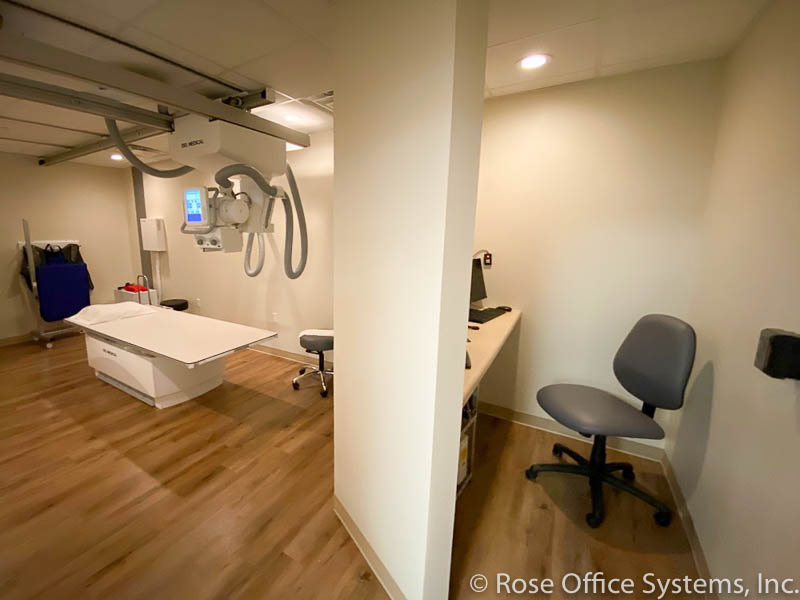
- Imaging shielding, electrical and structural requirements – if any. To include Xray, CT, MRI, Etc.
Because of these factors, developing an accurate quote requires time to fully evaluate and research the specific details of your project.
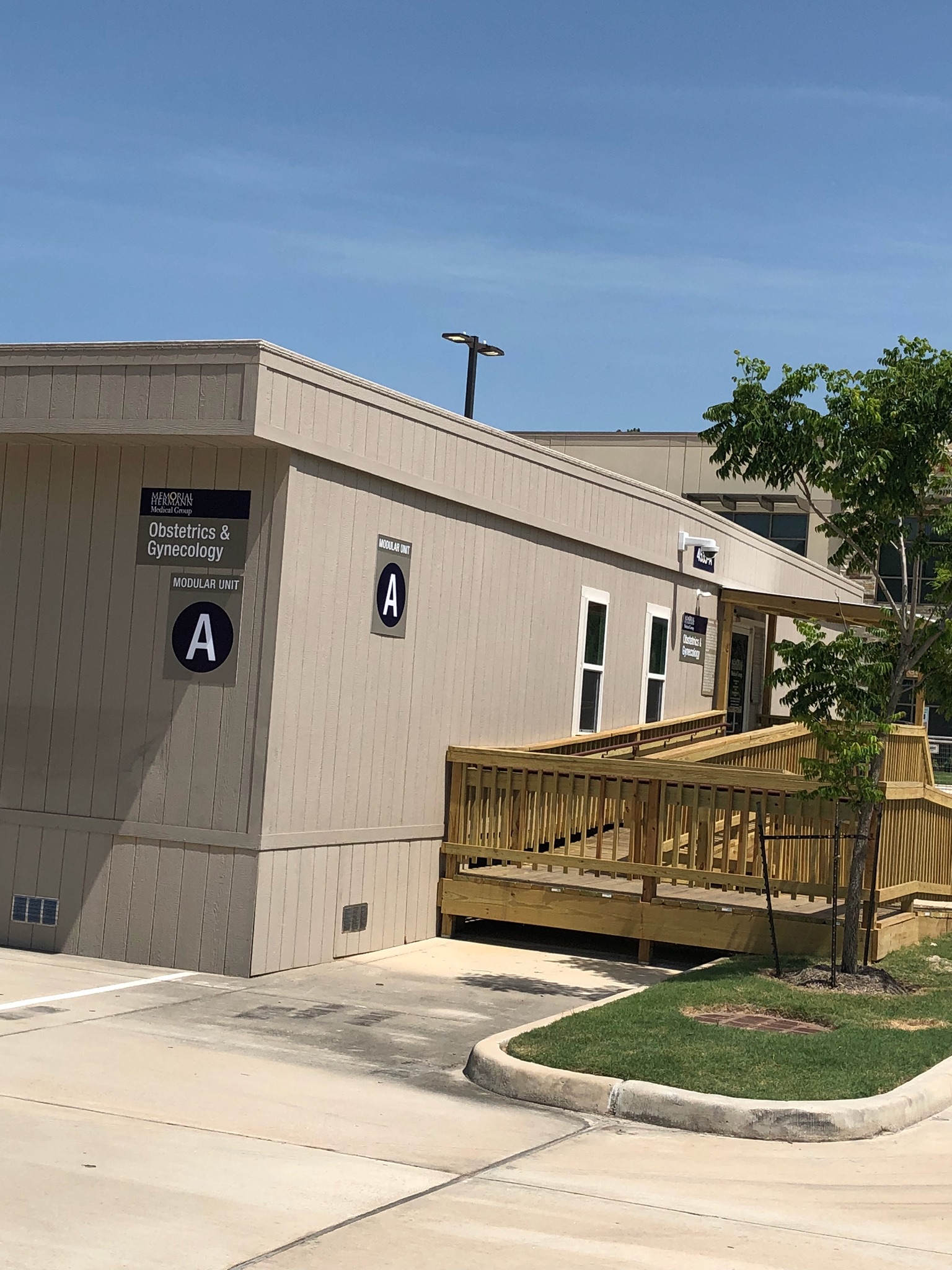
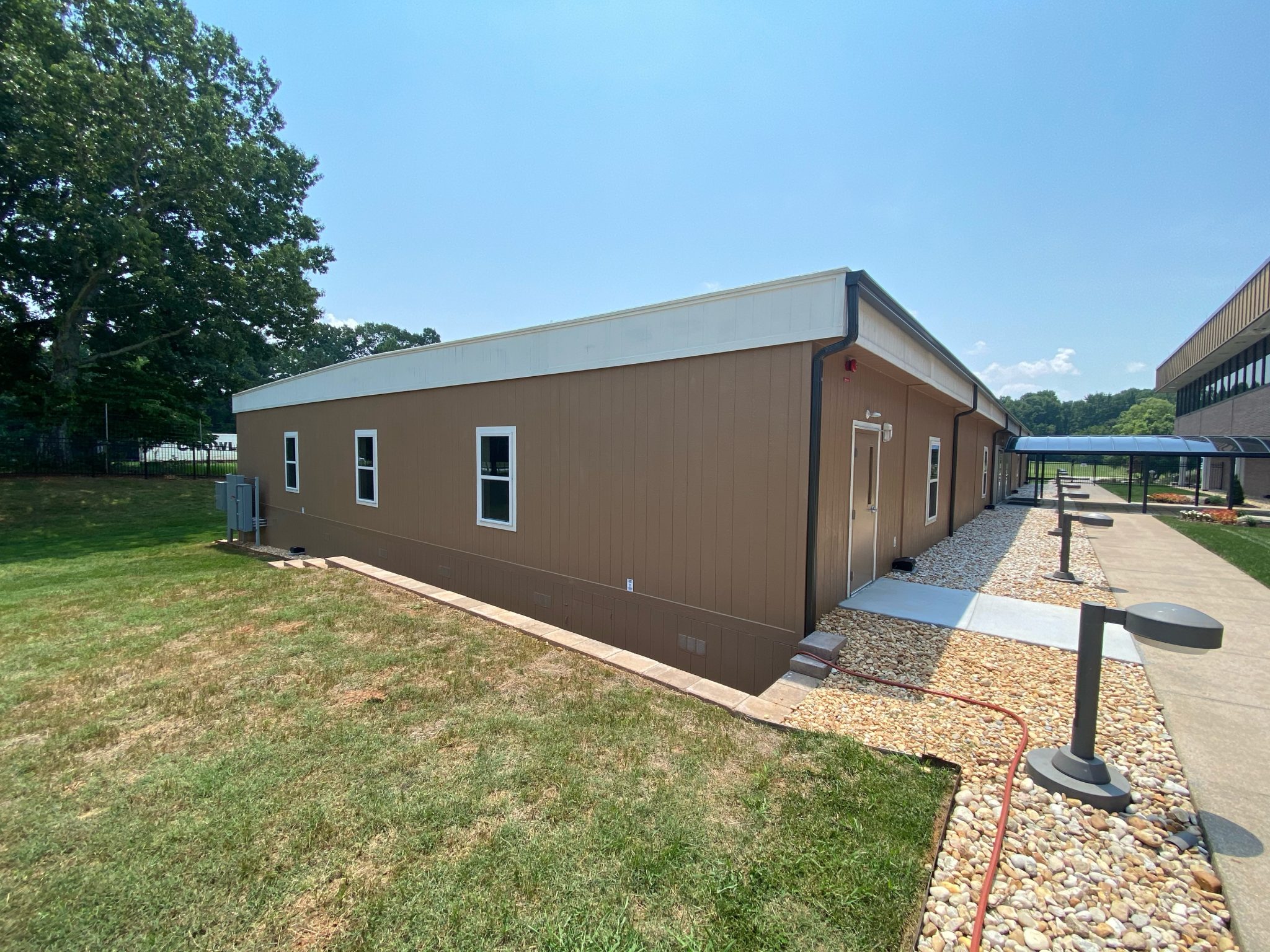
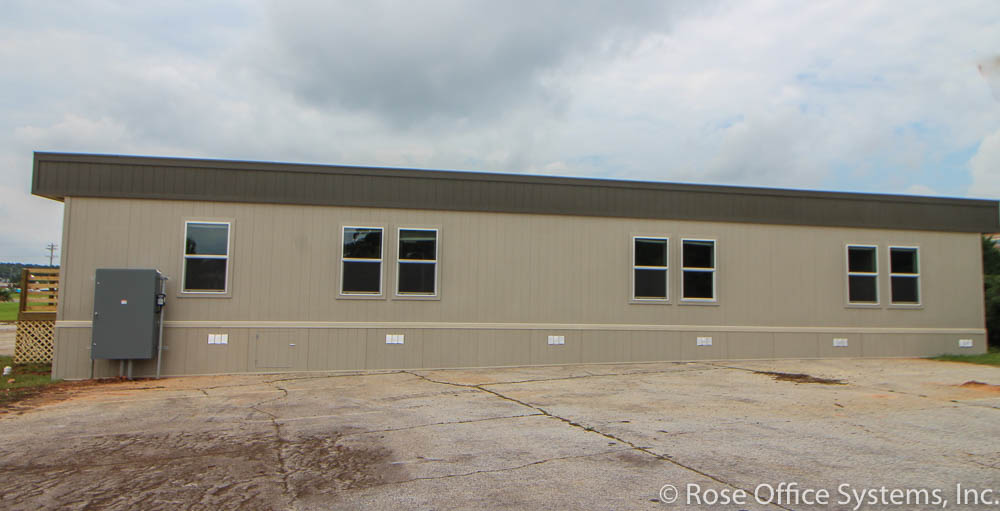
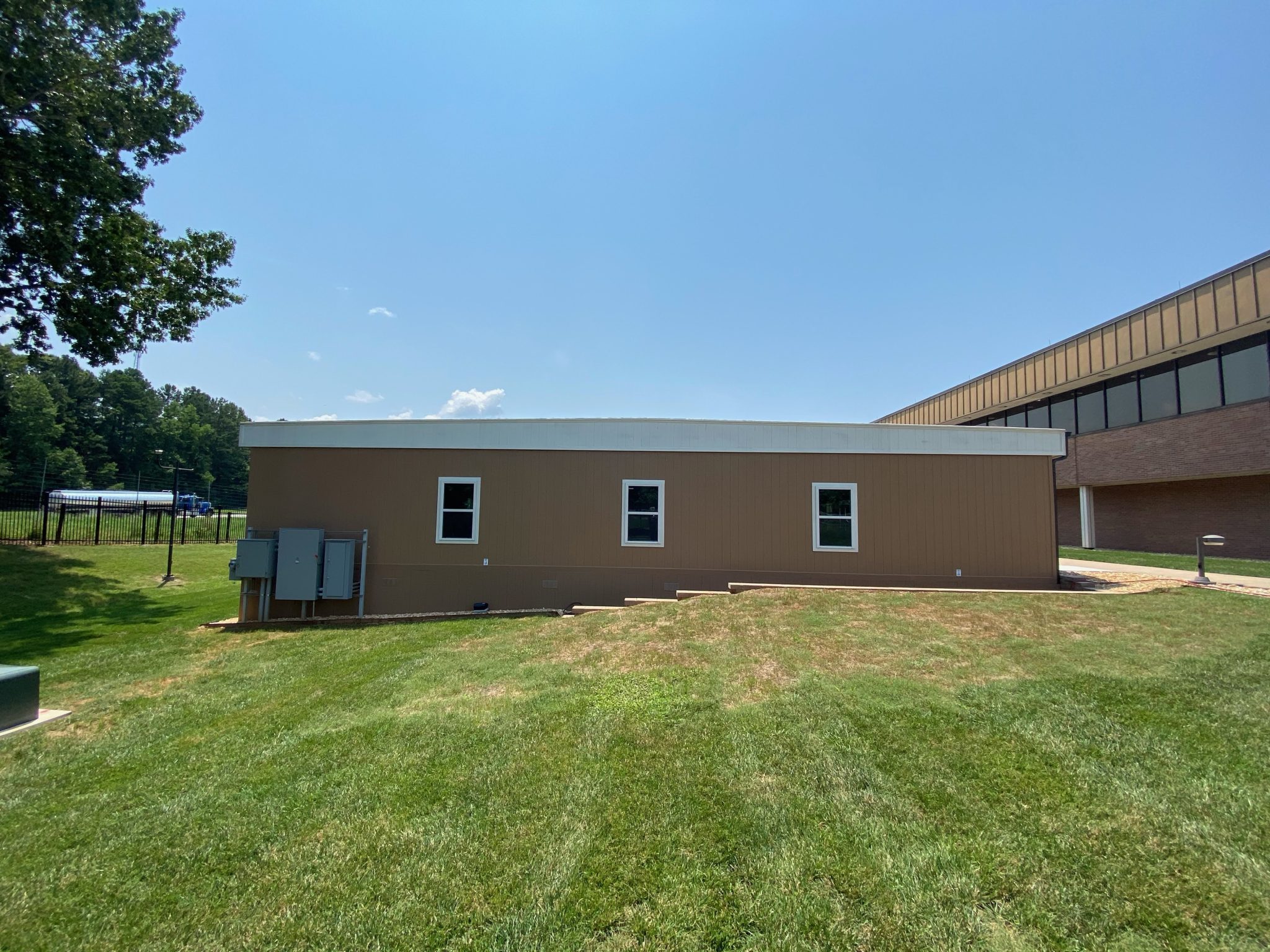
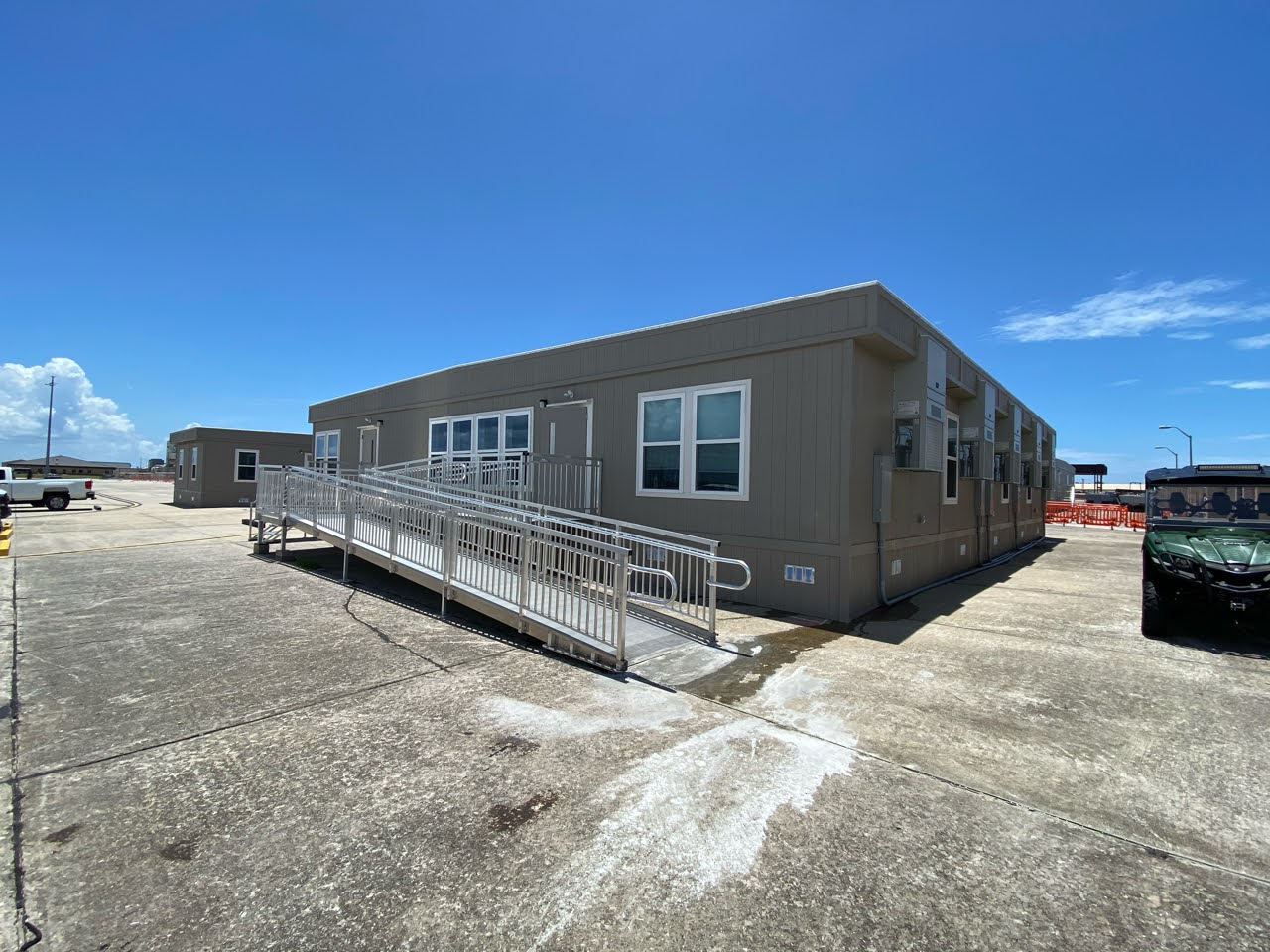
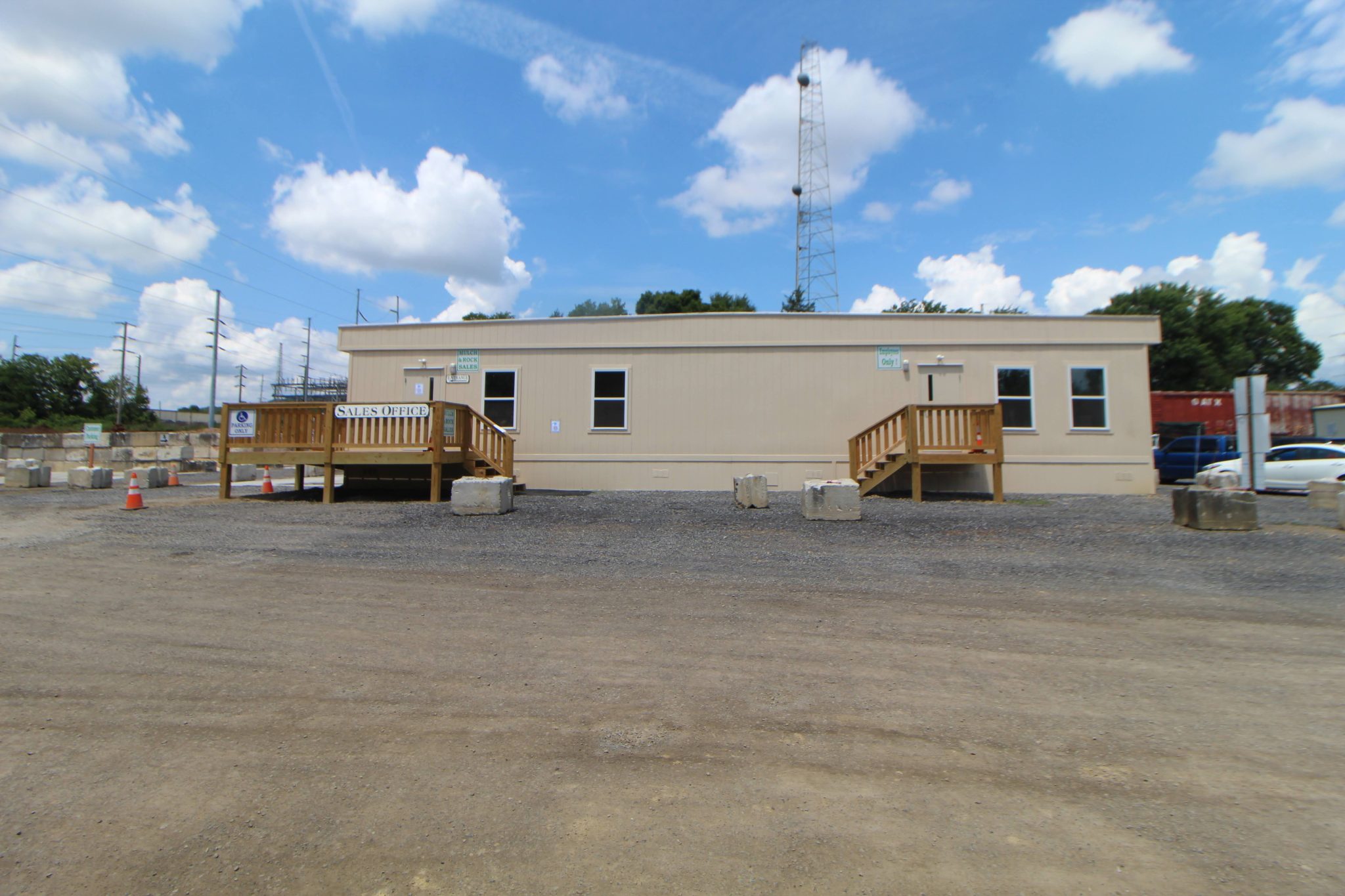
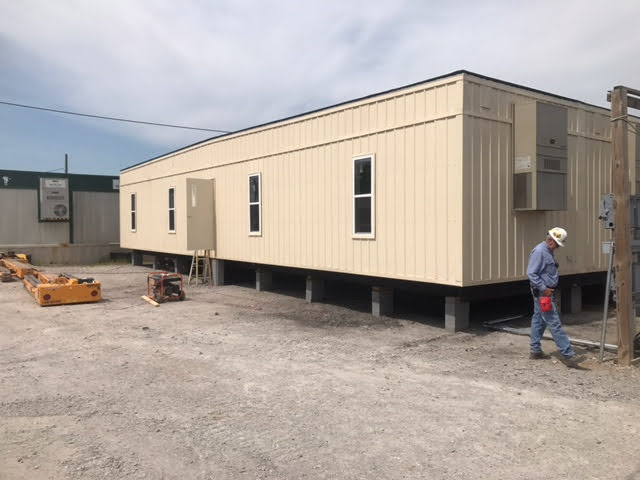
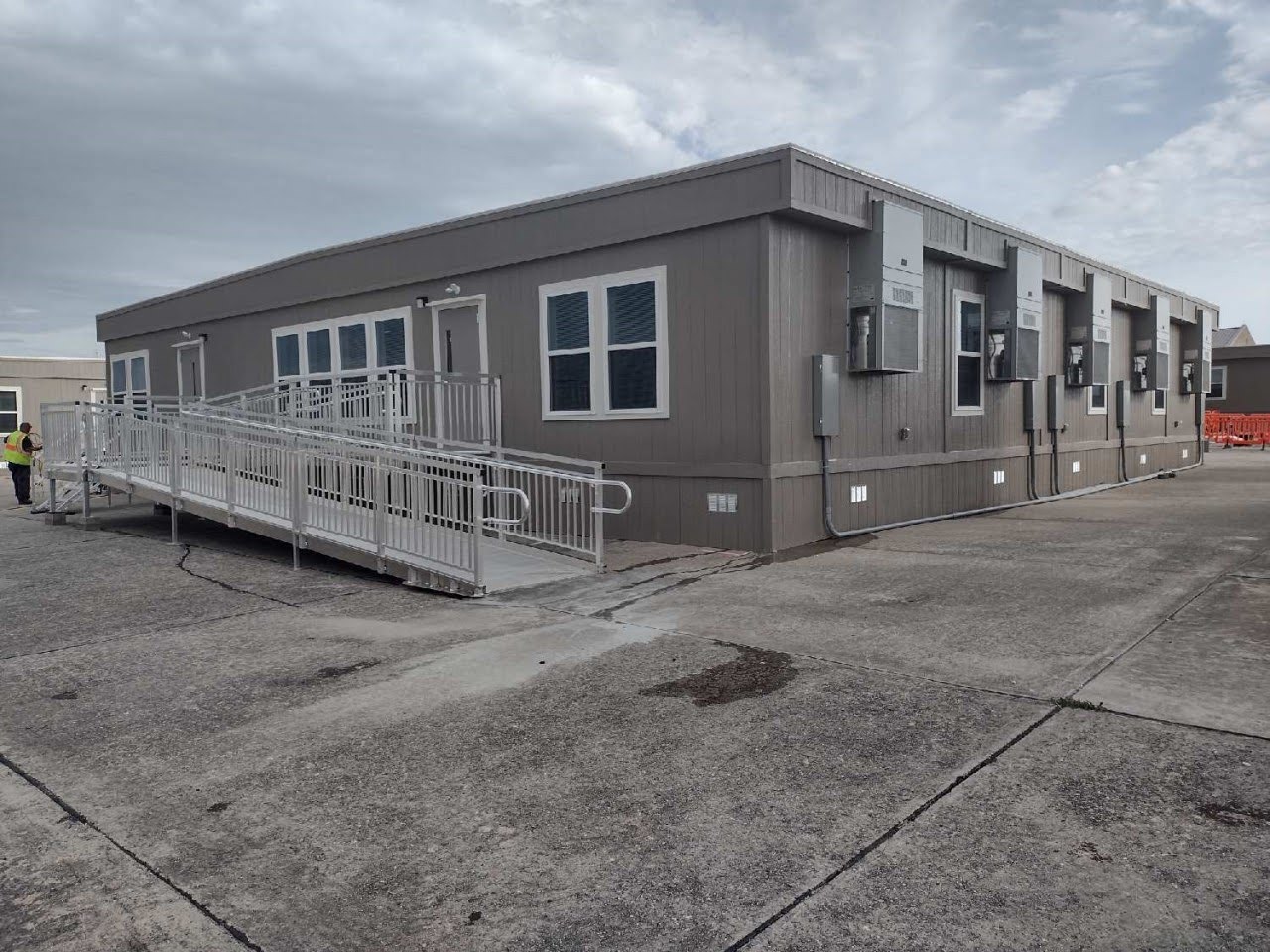
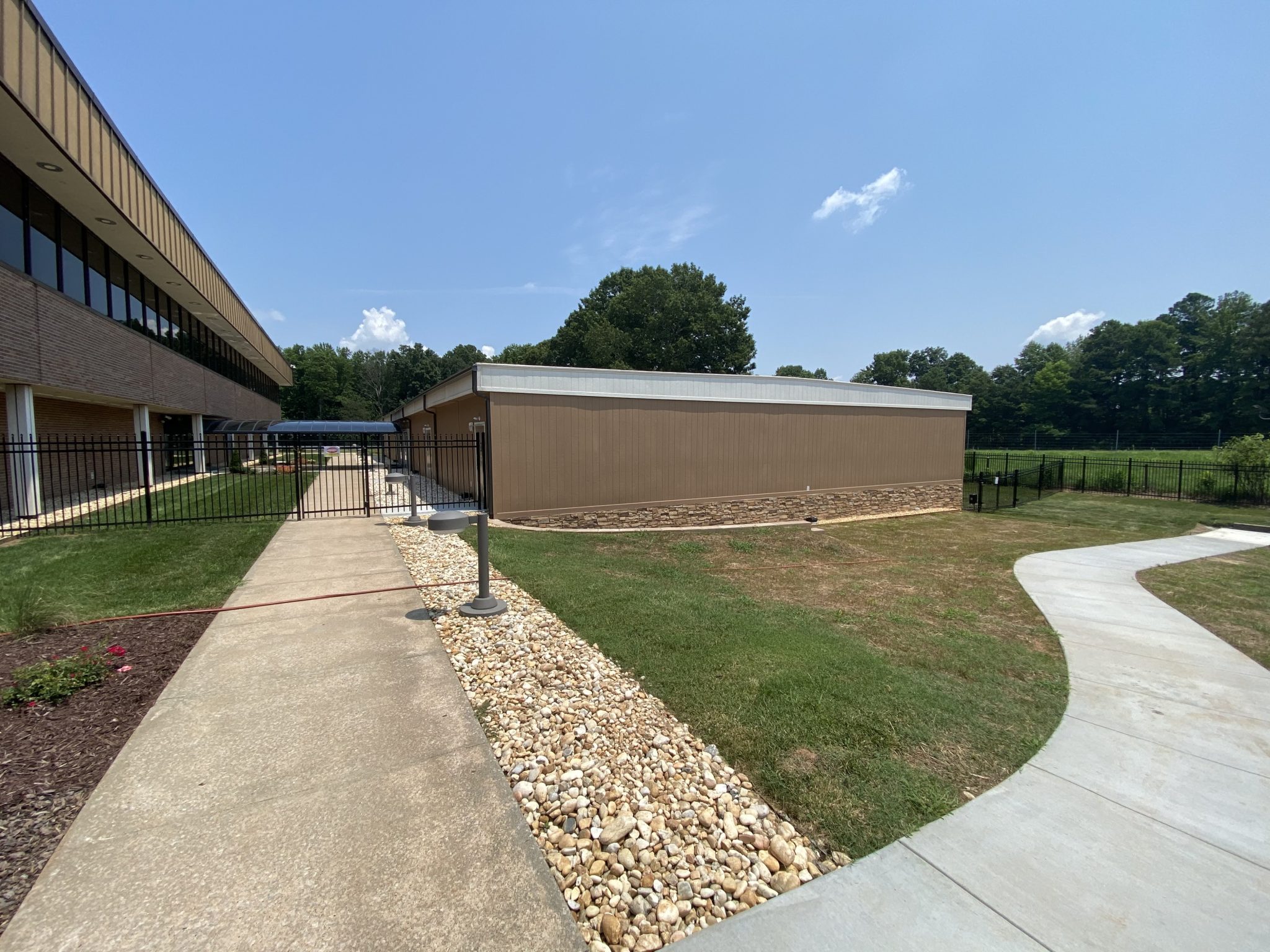
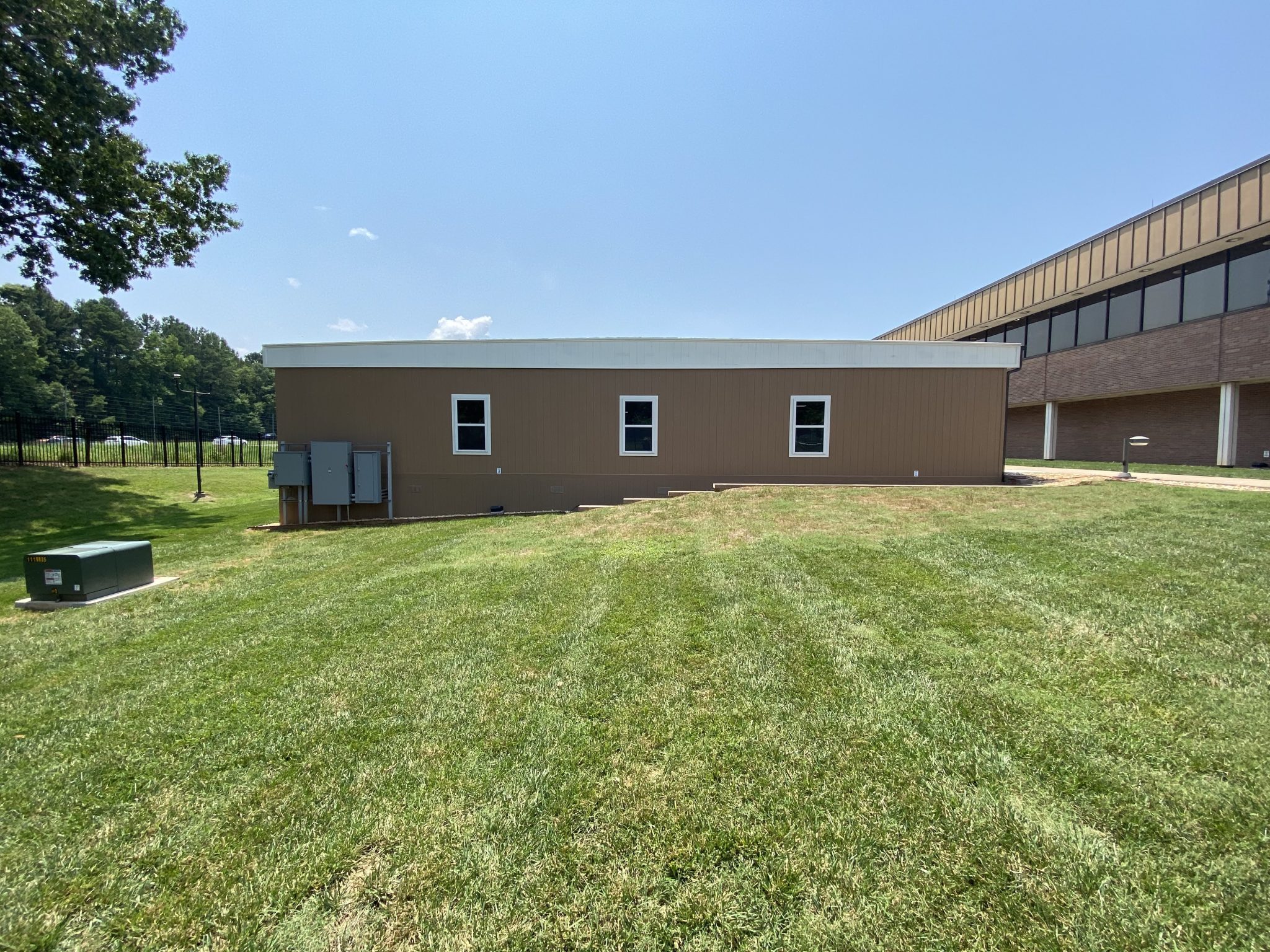
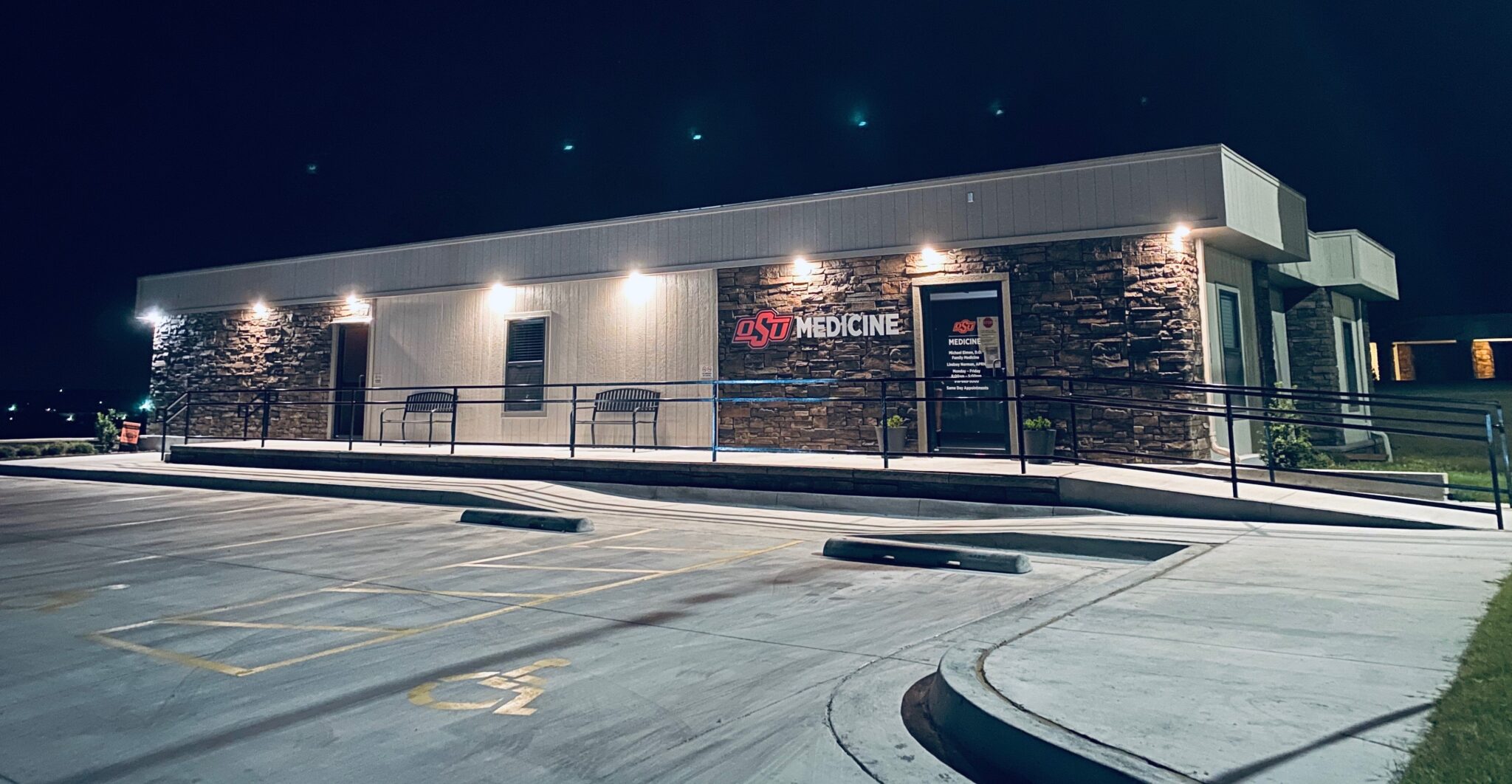
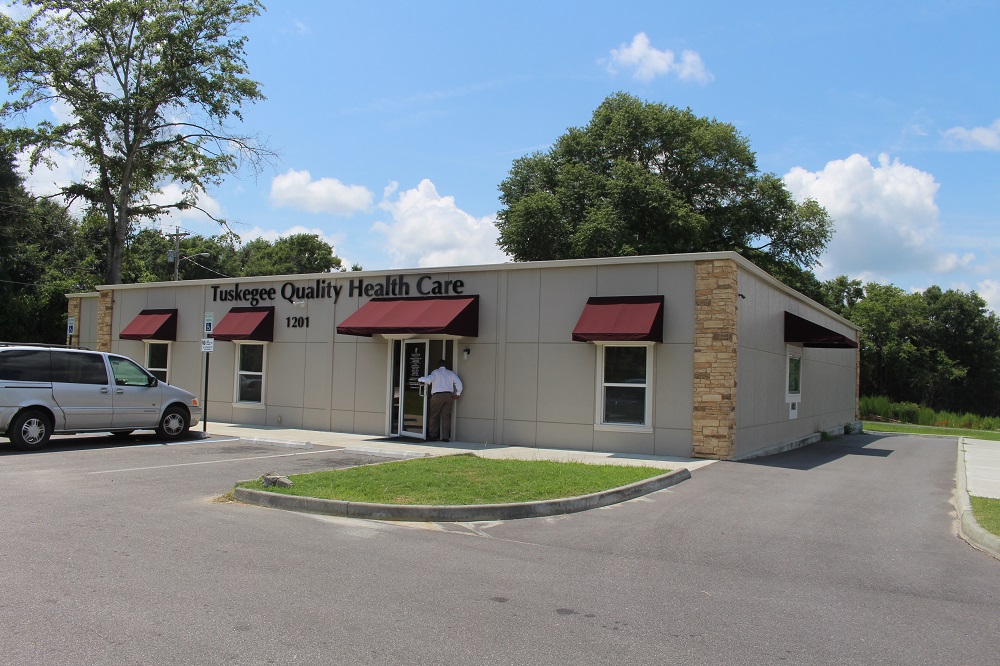
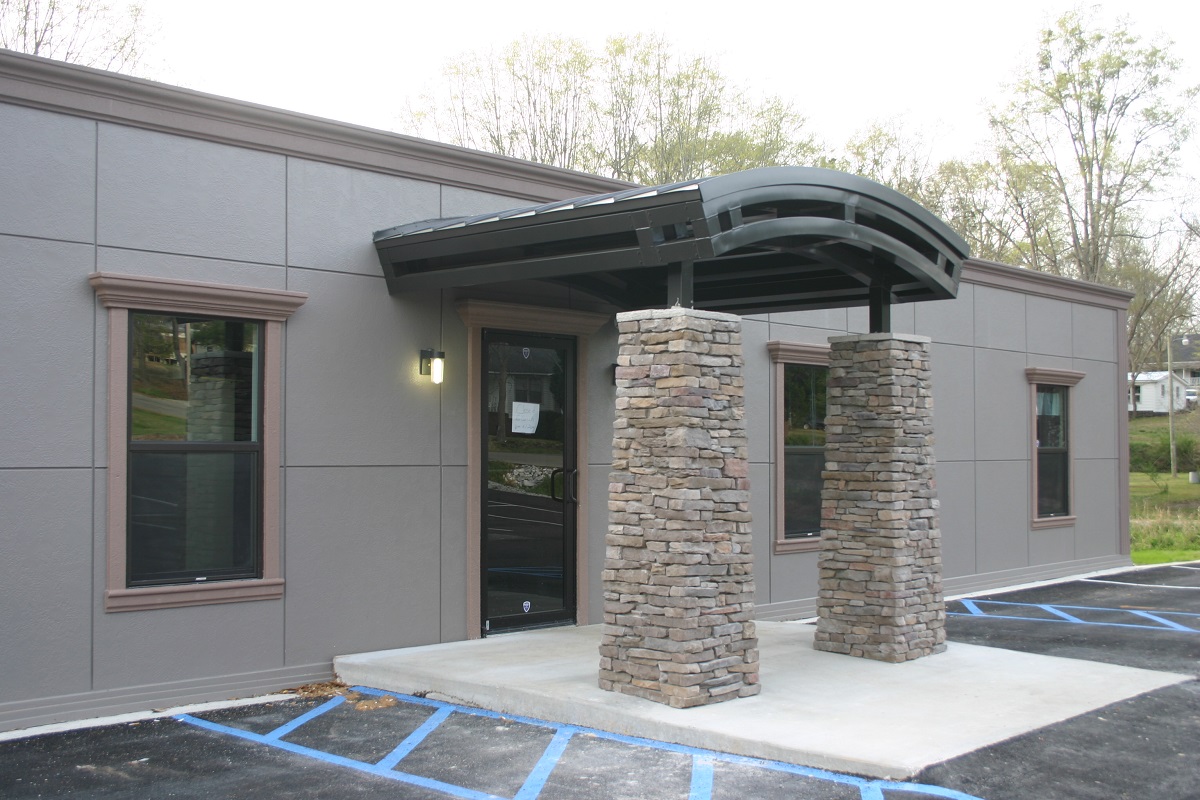
Basic Building - $160-$170 per square foot
The basic building is a great starting point for many. Some of the major users of the basic building are:
- Rural Health Clinics
- Industrial Health Clinics
- Cost conscious
- Start up clinics
- Quick revenue stream and ROI
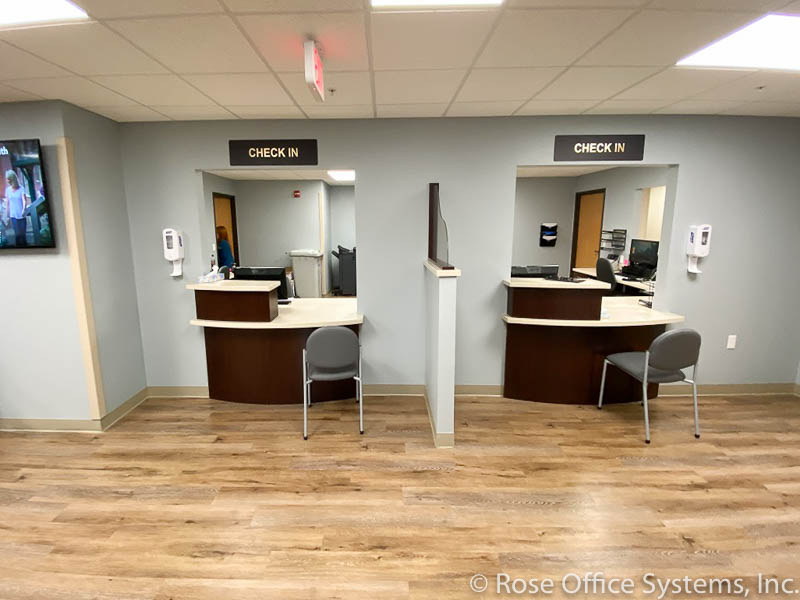
These basic buildings are completed for the most part in the factory using standard finishes. Some aspects of the basic building include:
- High Quality 20mil wear layer plank look rolled vinyl with limited selections. [Common upgrade is to install flooring on site – usually LVP]
- Vinyl Coated Gypsum walls vs mud/tape/paint. [Common upgrade is to Mud/Tape/Paint the lobby with remainder being Vinyl Coated Gypsum]
- 8′ ceilings with 2’x2′ tegular acoustical tile and LED recessed lighting [Common upgrade is 9′ ceilings]
- No parapet around the perimeter of the building to hide the roof line
- Standard foundation cover to match exterior [Common upgrade is Urestone or Nichiha foundation cover and corners]
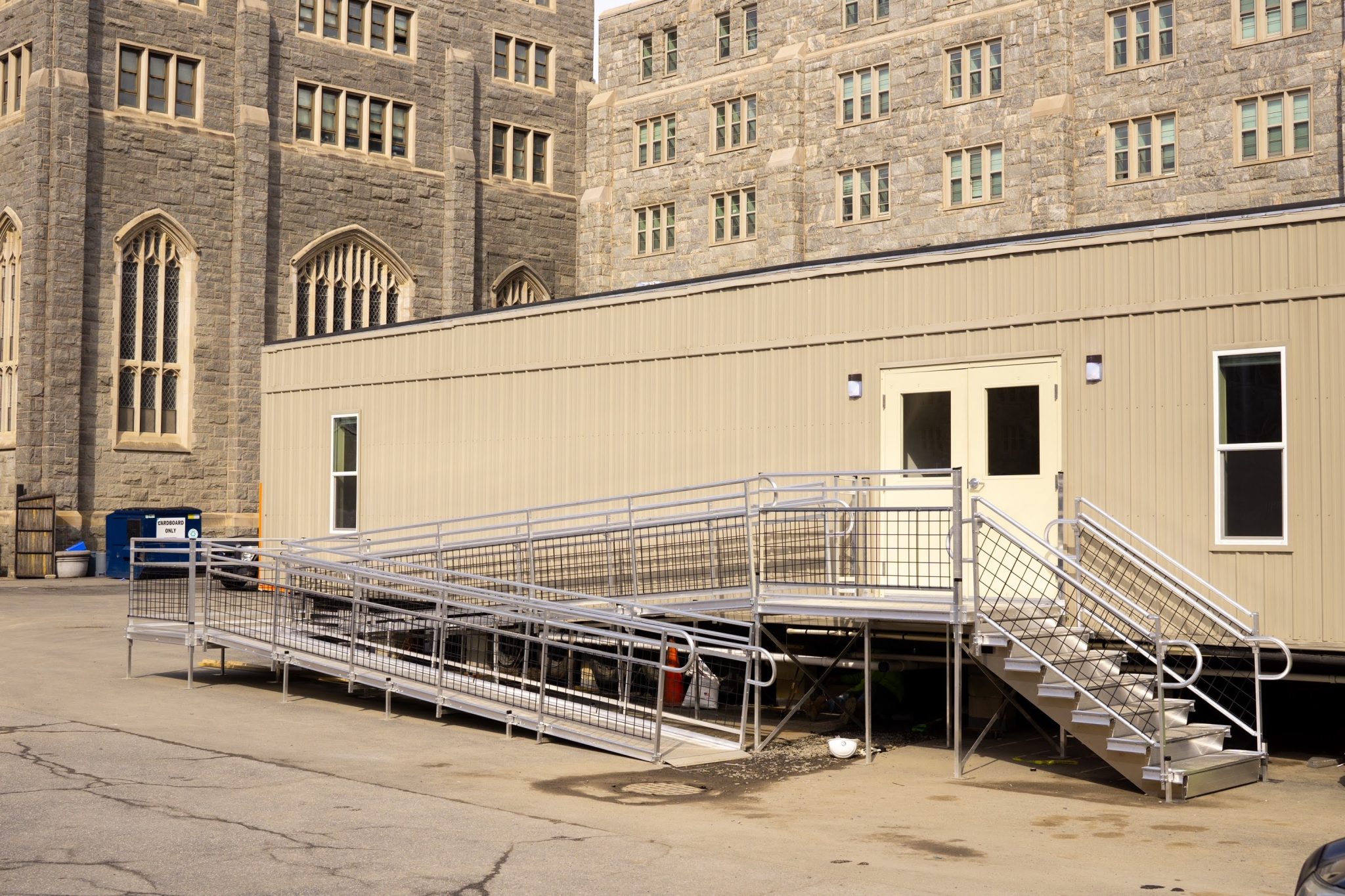
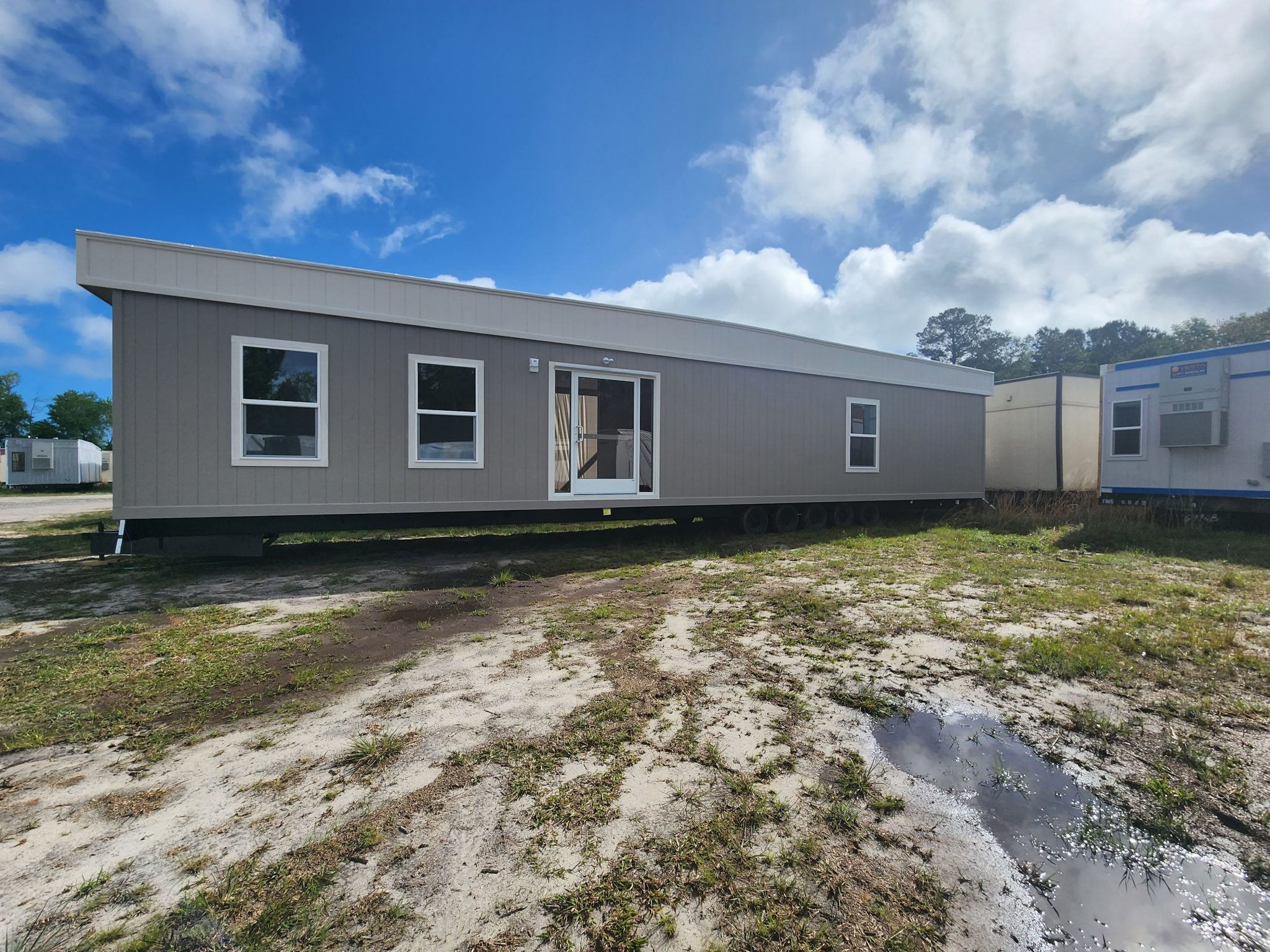
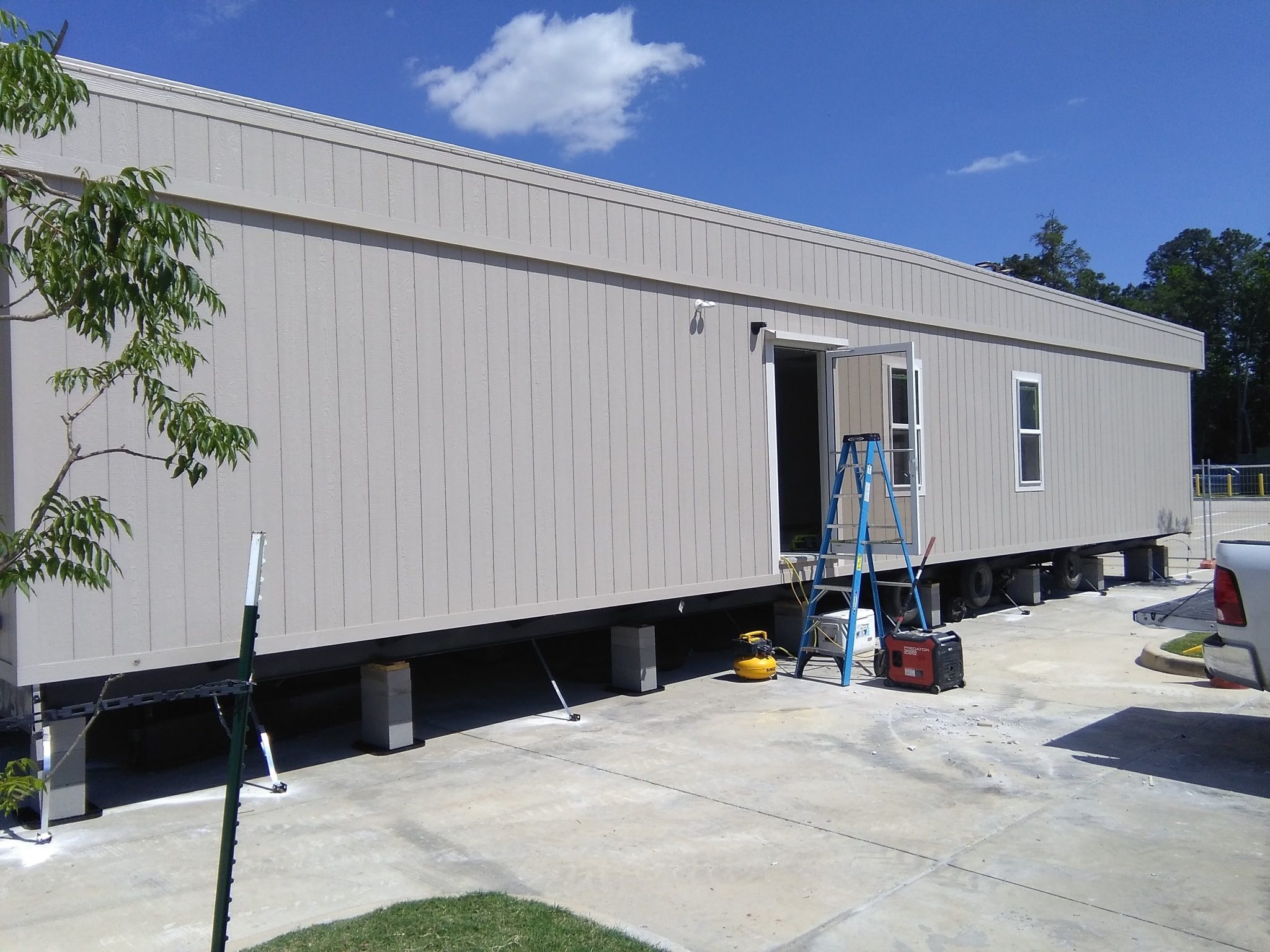
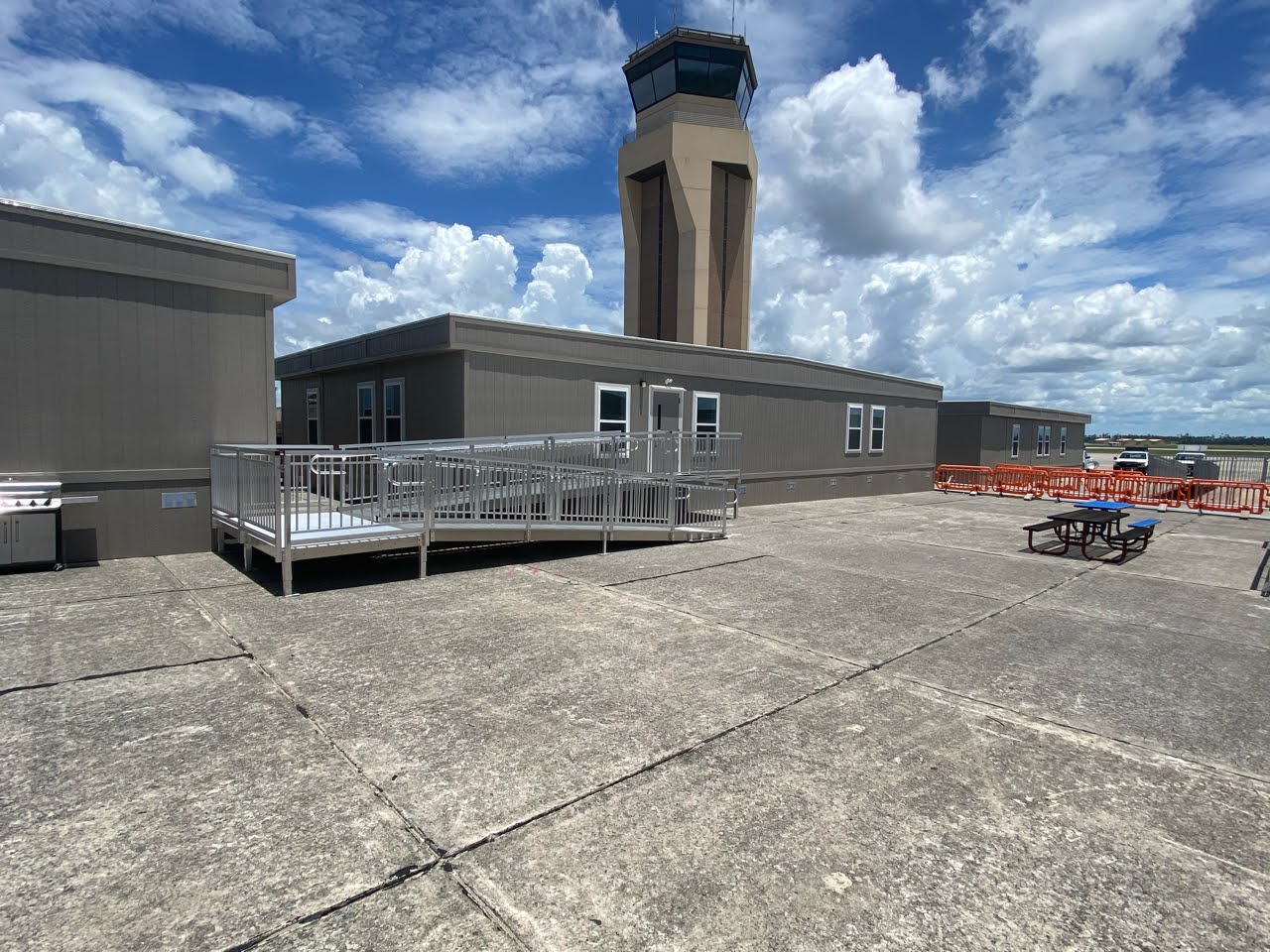
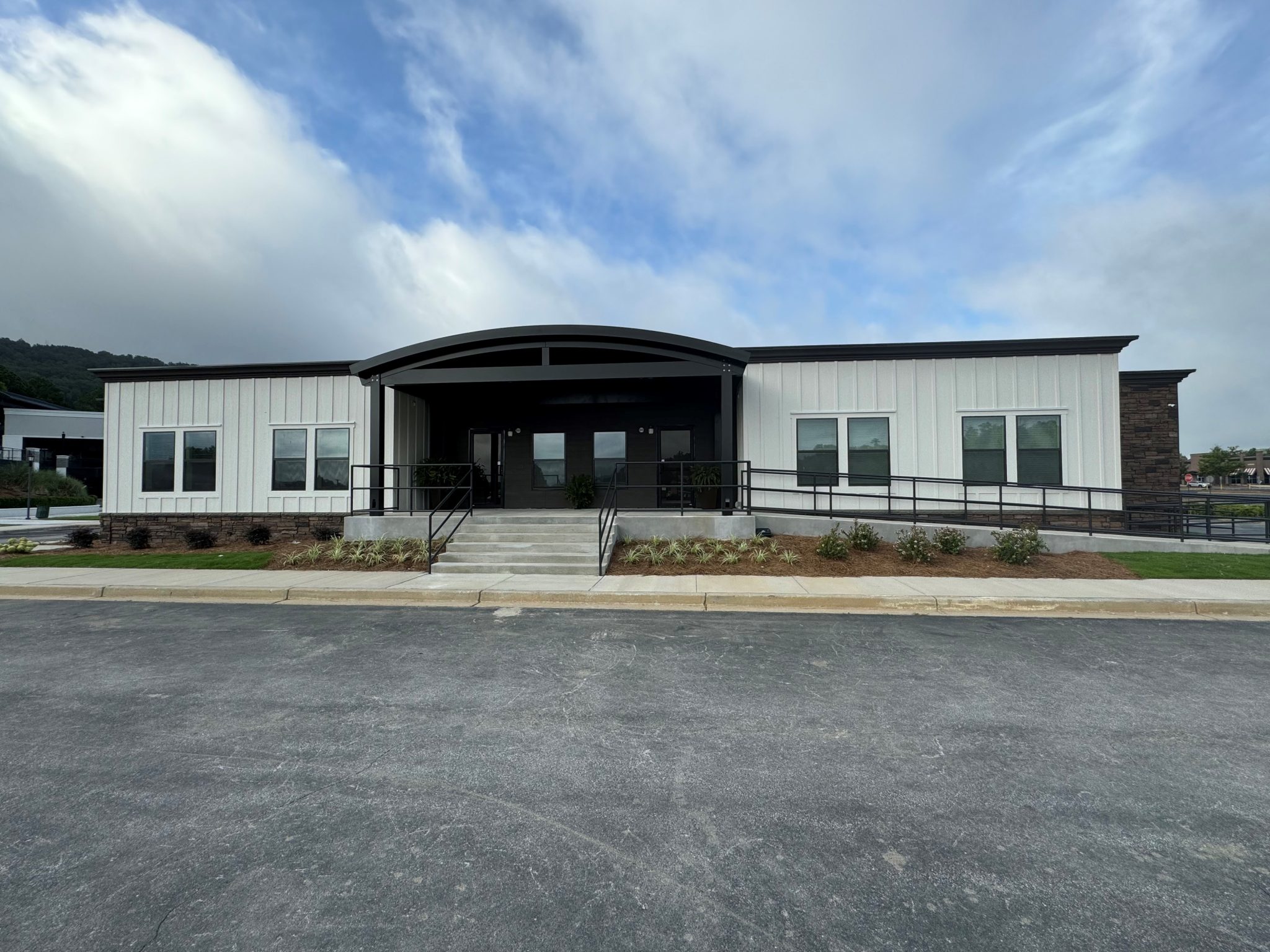
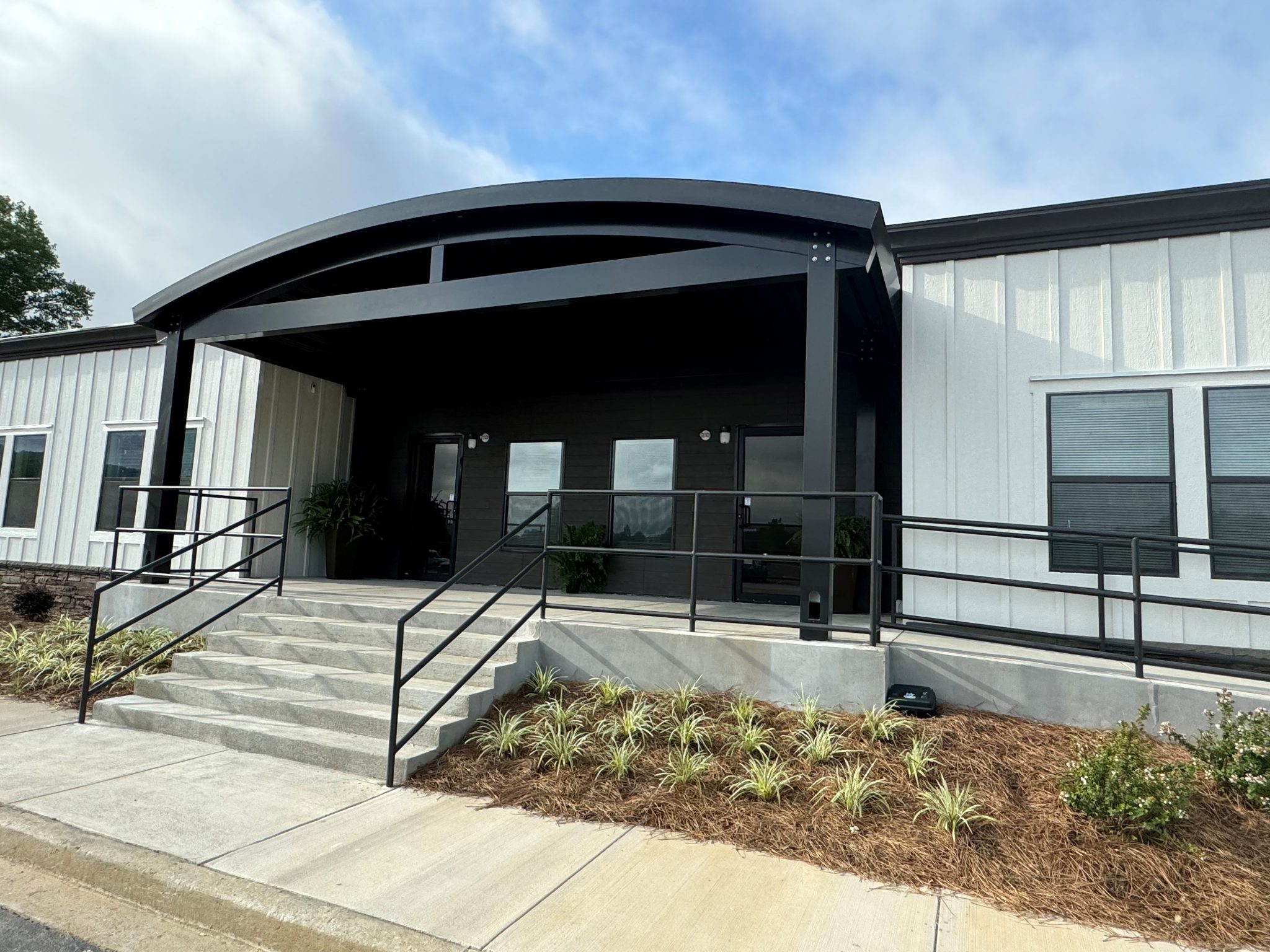
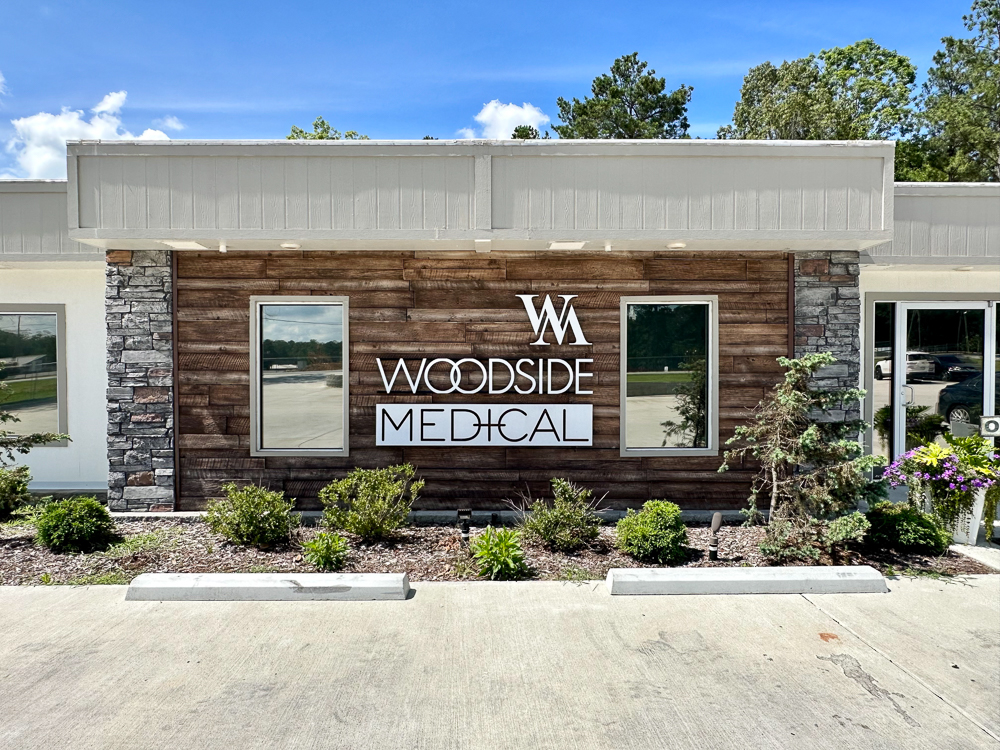
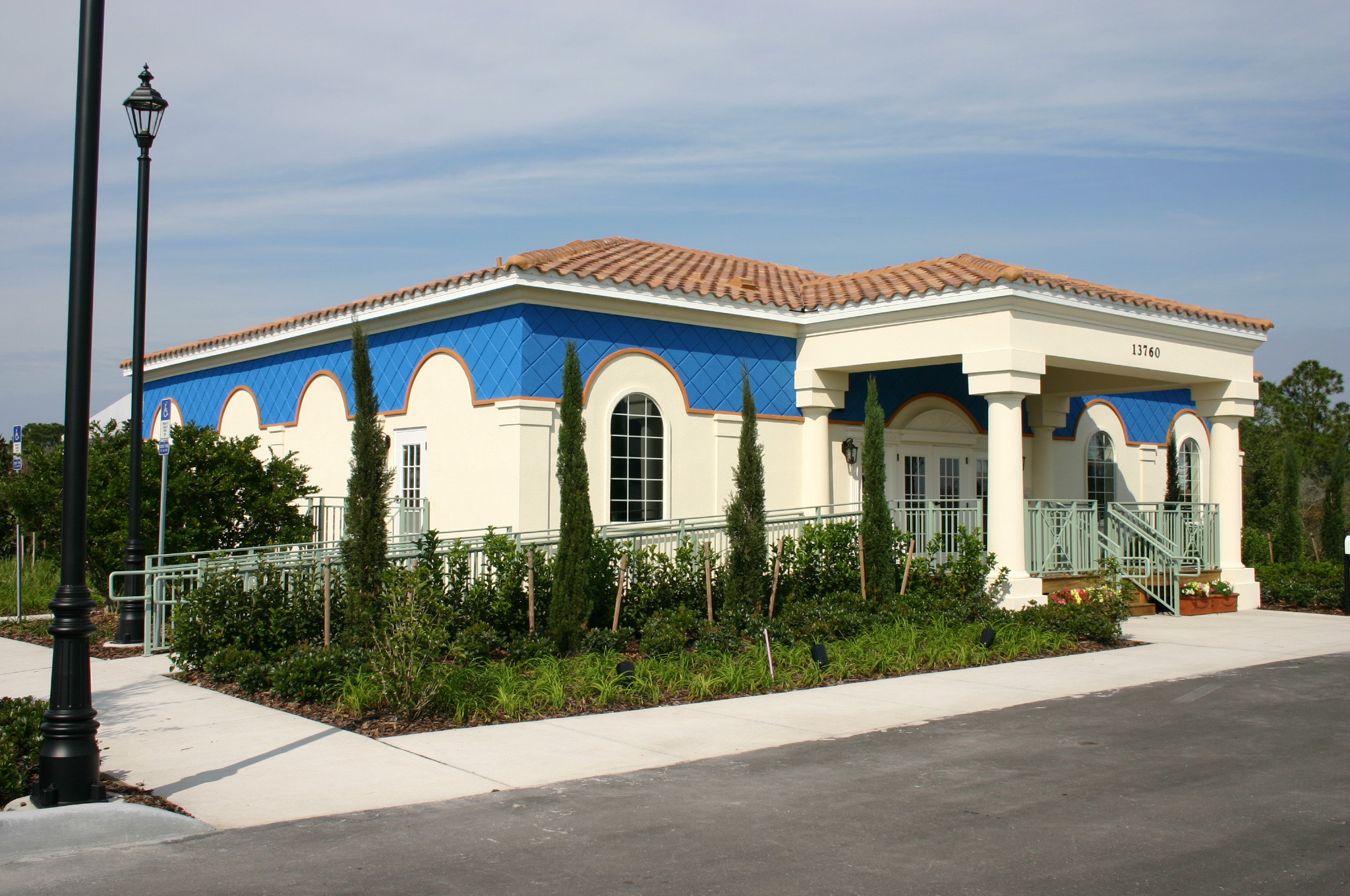
High-End Modular Construction Approach $200-$220+/sqft


Scope of Work
What Rose Handles vs. What You Handle
Rose Handles the Building
Rose takes a lot off your plate when building your next facility:
- Building design and layout
- Full engineering (structural, MEP, architectural)
- State plan review and approvals
- Construction of the building in a controlled environment
- All required inspections during the build process
You Handle the Site
Site-related items remain in your control:
- Civil work and site preparation
- Stairs, decks, and ramps
- Driveways and parking lots
- Generators and utilities (power, septic/sewer)
- Signage and exterior site features
Our Proven Process
1. Initial Discovery Stage
We help bring your vision to life:
- Rose provides multiple example floor plans to spark ideas
- Our team works with your vision and budget to create a custom, code-compliant design
- We collaborate on finishes and curb appeal
- A full take-off and detailed proposal with pricing is provided
2. Design, Engineering & Approval
Once you choose to move forward:
- Engineering begins while you start site work in parallel
- Rose provides shop drawings for your review and revisions
- After shop drawings approval, we complete:
- Structural calculations
- MEP (Mechanical, Electrical, Plumbing) calculations
- Full architectural package
- State approvals begin (can take 60+ days depending on location and complexity)
- You receive a complete engineered package for local permitting, including:
- Foundation plans
- Electrical loads
- Plumbing details
- HVAC specifications
3. Final Delivery & Installation
From factory to your site:
- Within 90–120 days, modules are ready for delivery
- On-site installation typically takes 3–14 days, depending on complexity
- Building is ready for utility connections (“hook up to the grid”)
- Final step: personalize your space with furniture, décor, and branding